Chill Grill Review: A Designer's Take on Real Embroidery Use
As someone who spends hours digitizing, stitching, and critiquing designs for clients, I approach every new machine embroidery design with a mix of curiosity and skepticism. When I first pulled up the Chill Grill file, my immediate thought wasn't just about how it looked on the screen, but how it would translate into thread on actual fabric. In the world of Print Templates and Graphics, visual appeal is only half the battle; the other half is execution. This review breaks down how this specific asset holds up when moved from a digital preview to a tangible, stitched reality.
First Impressions and Visual Personality
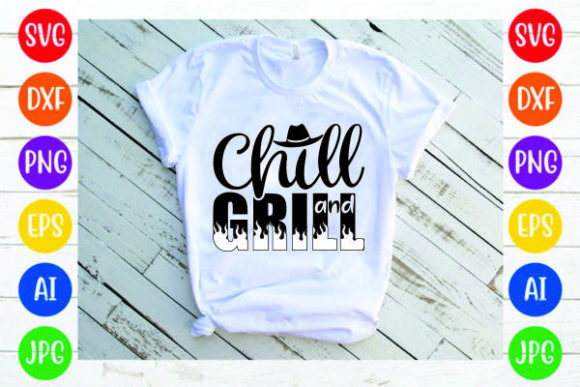
The vibe of Chill Grill is instantly recognizable. It carries a laid-back, retro-cool aesthetic that fits perfectly with current trends in streetwear and home decor. The layout suggests a balance between bold shapes and negative space, which is crucial for embroidery. Unlike some overly complex vectors that lose their charm when converted to stitches, this design appears to have a strong silhouette. For an Etsy seller or a boutique owner, this kind of clear visual identity is gold. It communicates a mood—relaxed, fun, and slightly nostalgic—without needing excessive detail that could muddy the final finished product.
When evaluating the line work, I look for potential trouble spots. Does the design rely on tiny, intricate lines that might break under tension? Does it have large open areas that require careful fill management? Chill Grill seems to strike a practical middle ground. It feels versatile enough to work as a focal point on a chest pocket or a statement piece on the back of a jacket. The "chill" aspect of the theme suggests it would pair beautifully with casual fabrics like cotton twill, fleece, or canvas, rather than stiff formal materials.
Real-World Application Scenarios
To truly test the viability of a design, I imagine it in specific, real-life scenarios. Picture a custom tote bag design for a local farmer's market or a craft fair. Chill Grill would sit prominently on a natural canvas bag, perhaps stitched in earthy tones or a high-contrast black and white. The simplicity of the graphic ensures it remains legible even from a distance, which is essential for small shop product branding.
Another strong contender for this file is sweatshirt embroidery. Imagine a oversized, vintage-style crewneck. Placing this graphic on the upper back or centered on the chest creates an instant "cool factor." Because the design likely avoids extremely fine details, it should handle the texture of fleece or French terry well, provided the stitch density is managed correctly during the digitizing phase (if you are converting the vector yourself) or if the provided files are already optimized. For baby embroidery, one might scale it down for a onesie, though care must be taken to ensure no small parts become choking hazards or unravel easily after washing.
I also see potential for embroidered patch creation. If you are running a business selling iron-on or sew-on patches, a design with the character of Chill Grill is a strong seller. Patches allow you to test the design on various garments without committing to direct stitching on expensive clothing. It's a low-risk way to gauge customer reaction before launching a full custom apparel line.
Technical Considerations and Fabric Challenges
While the aesthetic is solid, the technical execution requires attention. Since Chill Grill is offered in formats like AI, EPS, SVG, and PDF, it is primarily a vector graphic intended for conversion or print. If you are using this as a basis for a digital embroidery file, you must consider the hoop size limitations of your machine. Large, continuous fills can cause puckering if the stabilizer isn't heavy enough. For stretchy fabrics like jersey knits, a cut-away stabilizer is non-negotiable to maintain the shape of the design over time.
Textured fabrics present another challenge. If you plan to stitch this on a waffle knit or a thick towel, the fabric texture can interfere with the clarity of the stitches. In these cases, a water-soluble topper is highly recommended to keep the satin stitch or fill stitch elements sitting cleanly on top of the loops. Furthermore, if you are working with dark fabrics, you need to verify that the design doesn't rely on the background color to define its shape. A quick test in a black-and-white mockup can save you from ruining a garment.
Curved surfaces, such as caps, require extra scrutiny. The center of a cap is a tight radius. If Chill Grill has wide horizontal elements, they might distort when stitched on a curved brim. It is always wise to run a test stitch-out on a scrap piece of the same material before committing to a client order. This is especially true for commercial embroidery projects where consistency and professionalism are paramount.
Enhancing Brand Value and Customer Trust
The choice of design directly impacts perceived value. A crisp, well-executed Chill Grill embroidery signals quality. It tells the customer that the maker cares about the details. For handmade product creators, this distinction is what separates a hobbyist item from a professional-grade good. When a customer receives a personalized gift featuring a cohesive and stylish graphic, their trust in your brand deepens. They are more likely to return for future purchases or recommend your shop to others.
Consistency is key. If you are building a collection around a specific theme, ensuring that Chill Grill matches your other design assets in terms of line weight and style helps create a unified brand image. Whether it's for holiday embroidery gifts or year-round merchandise, the design should feel intentional. Using high-quality thread colors that complement the graphic's mood will further elevate the presentation. Avoid cheap threads that may fade or fray, as this undermines the effort put into the stitching.
Practical Notes for Designers and Makers
Before diving into production, here are a few actionable steps to ensure success with this file:
- Test First: Always stitch a sample on scrap fabric that matches your final material. Check for registration issues or thread breaks.
- Check Licensing: The product description mentions various file formats (AI, EPS, PNG, SVG, etc.). Verify the specific license terms regarding commercial use. Can you sell the physical embroidered item? Can you resell the digital file? Clarity here protects your craft business.
- Review Density: If you are digitizing this yourself from the vector files, pay close attention to stitch density. Too many stitches in a small area can make the fabric stiff and prone to tearing.
- Contrast Matters: Ensure your thread choice contrasts sufficiently with the fabric. A dark design on a dark shirt might look sleek but can get lost in photos for your printable mockup or online listings.
- Wash Testing: Products meant for frequent use, like kitchen towels or aprons, need to withstand washing. Test your sample through a few cycles to ensure the design holds up without fraying or shrinking.
In conclusion, Chill Grill offers a promising foundation for a variety of creative projects. Its strength lies in its adaptable aesthetic and clear composition. However, like any applique design or graphic conversion, its success depends entirely on the skill of the maker and the preparation involved. By respecting the technical limits of your machine and materials, you can turn this digital asset into a standout embroidery project that resonates with customers and enhances your portfolio.